-
 After Trump linked Camp Lejeune water contamination settlements to the midterms, advocates, Gov. Josh Stein, Congresswoman Deborah Ross, and others question the political pledge as thousands await resolution. Advocates say justice should not depend on politics.
 -
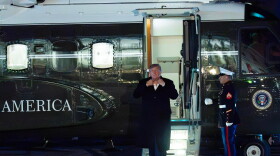 "If we don't win, there's no money," President Donald Trump said. "If we do win, you're getting it. It's gonna be finally over with that nightmare that's been going on for so many years. We will never abandon the heroes who served America."
 -
 A federal court has dismissed an effort by claimants to challenge how the government calculates Camp Lejeune toxic water settlement offers, as a new status report reveals that more than 75% of reviewed claims lack sufficient documentation.
 -
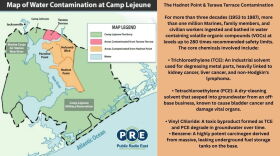 The Justice Department is opposing a request by Camp Lejeune claimants to keep settlement offers open while they challenge how their cases were evaluated.
 -
 Federal judge schedules the first Camp Lejeune toxic water lawsuits for trial this November in Elizabeth City, NC, sparking a high-stakes battle over cancer science.
 -
Attorney James Foster files an emergency motion accusing the Department of Justice of shortchanging Camp Lejeune victims and slashing settlement review deadlines.
-
Thousands of military families are running out of time to prove Camp Lejeune toxic water exposure while the government restricts access to critical verifying data.
-
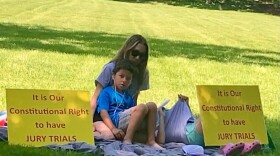 Camp Lejeune toxic water victims and grieving families are launching a third mass rally at the U.S. Capitol next week, demanding lawmakers pass a crucial legislative fix to clear a massive backlog of stalled lawsuits.
 -
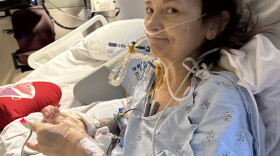 Jeanette Vitullo’s connection to Camp Lejeune began in the mid-1970s, before she was even born. She belongs to a vulnerable group of victims exposed to the contaminated water while still developing in the womb.
 -
The court has scheduled pre-trial status conferences for September 10 at the federal courthouse in Raleigh. According to the court's scheduling orders, trials in those cases will be scheduled for 30 to 45 days following the pre-trial conferences. That would put those trials on the court's calendar sometime between October 10 and October 25.

Public Radio East serves Eastern North Carolina by providing news, fine arts, and informational programming that challenges, stimulates, educates, and entertains an intellectually curious audience.
© 2026 Public Radio East
Public Radio East
800 College Court
New Bern, NC 28562
EIN 56-1802728
© 2026 Public Radio East
Public Radio East
800 College Court
New Bern, NC 28562
EIN 56-1802728
Public Radio For Eastern North Carolina
89.3 WTEB New Bern 88.5 WZNB New Bern 91.5 WBJD Atlantic Beach
90.3 WKNS Kinston 89.9 W210CF Greenville
Play Live Radio
Next Up:
0:00
0:00
Available On Air Stations


